From Idea to First $100: What Actually Works for Validating a Side Project
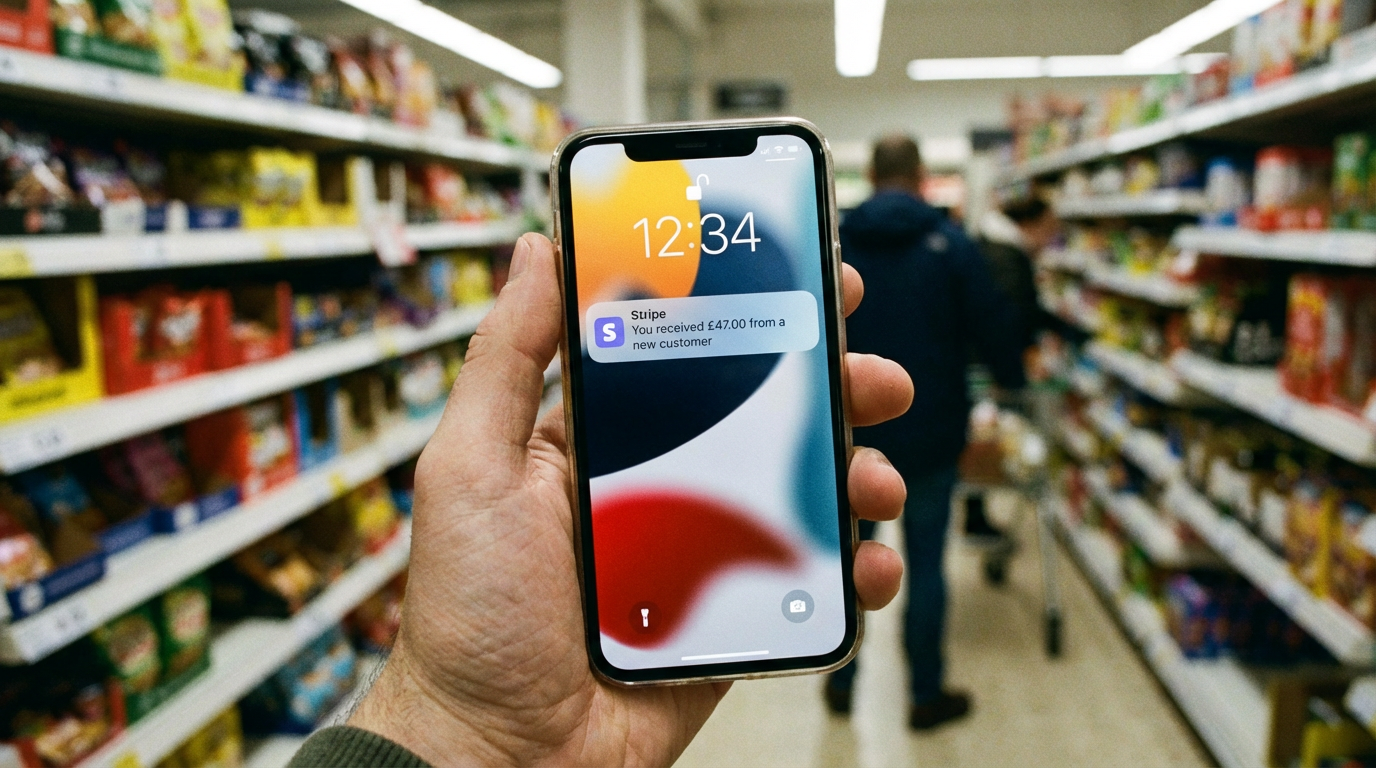
The first money I ever made from a side project wasn't from some grand launch. It was a Stripe notification on my phone while I was standing in a Tesco queue. Forty-seven pounds. From a stranger. For something I'd built in a weekend.
That moment rewired my brain. Not because of the amount, I'd spent more on the meal deal in my hand, but because it proved something I'd only hoped was true: someone out there had a problem, and they'd pay me to solve it.
Most side projects never get to that moment. Here's why, and what I do differently.
Why Most Side Projects Never Earn a Penny
I've built products that made real money. I've also built products that went absolutely nowhere. The pattern behind the failures is always the same.
Building in isolation. You spend three months perfecting an app that nobody asked for. You tell yourself you're "not ready to launch yet." You are. You're just scared.
Feature creep before validation. You add dark mode, an admin dashboard, and OAuth with four providers before you've confirmed a single person wants the core thing. I did this with SocialSync; built a polished social scheduling tool with every bell and whistle, then discovered the market was already drowning in them. If I'd spoken to ten potential users first, I'd have saved months.
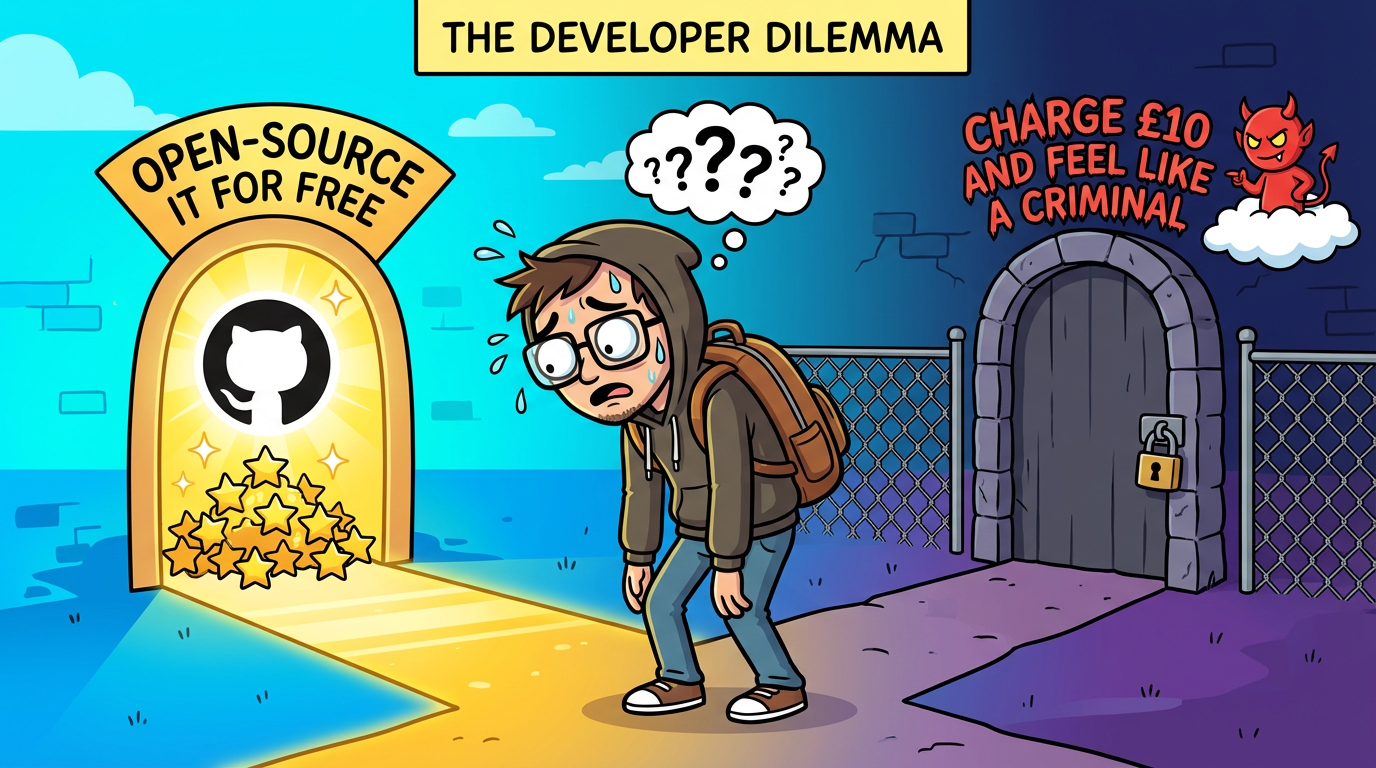
Fear of charging. This is the big one. Developers are terrified of putting a price on their work. We'll happily open-source something for free, but asking for £10? That feels audacious. Get over it. If your thing solves a real problem, charging for it is a service, not a scam.
The Validation Stack: Audience, Problem, Solution
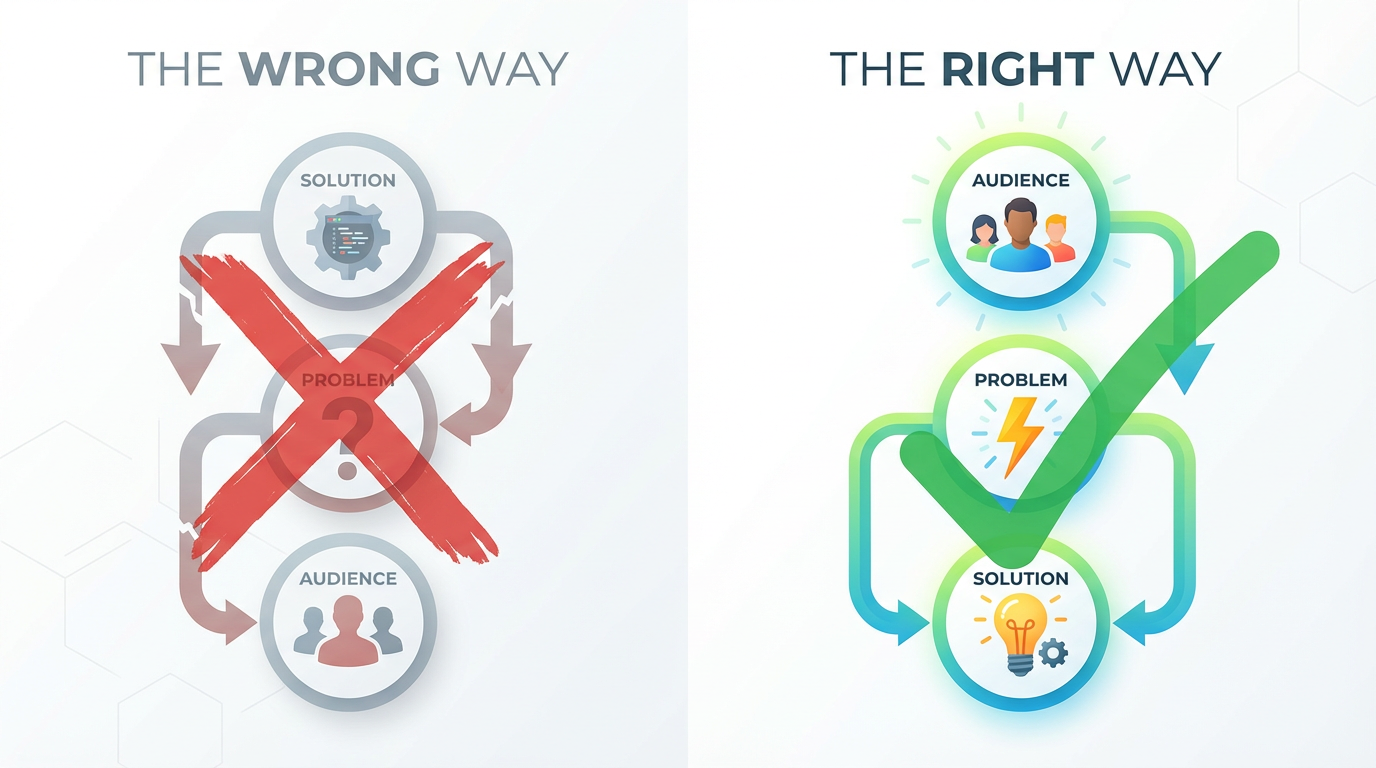
Most developers build backwards. They start with a solution, "I'll build an AI thing," then go looking for a problem it solves, then try to find people who have that problem.
Flip it.
Audience first. Where do you already spend time? What communities are you part of? X, Reddit, Discord, Slack groups, Indie Hackers. You need a group of people you can reach today, not a theoretical market segment.
Problem second. What are those people complaining about? What's tedious, broken, or expensive? Lurk. Read the threads. The best SaaS ideas are hiding in forum rants and frustrated tweets.
Solution last. And make it the smallest possible thing that addresses the pain. Not a platform. Not an ecosystem. A single feature that makes someone's Tuesday slightly less annoying.
The $100 Playbook
Here's the tactical playbook I follow every time I validate a new idea. It's not glamorous, but it works.
Ship a landing page overnight. Not next week. Tonight. A clear headline, a three-sentence explanation of the problem you solve, and a call to action. I use Next.js and Vercel because that's my stack, but a Carrd page works just as well. The point is speed, not polish.
Do things that don't scale. Send DMs. Post in communities. Reply to people complaining about the exact problem you're solving. This feels uncomfortable. Good. The founders who succeed are the ones willing to be a little bit annoying in the early days.
Pre-sell before you build. "I'm building X, it does Y, it'll be ready in two weeks. Want early access for half price?" If people won't pay when it's a promise, they won't pay when it's a product. This saves you from building something nobody wants.
Ship the ugliest thing that works. Your MVP should embarrass you slightly. If it doesn't, you've over-built. The first version of Purity Network looked like it was designed by someone who'd never seen a website. It didn't matter. It solved the problem, and agencies paid for it anyway.
Get the first transaction. Stripe, LemonSqueezy, Gumroad; whatever gets money moving fastest. Don't build your own billing system. Don't offer a free tier yet. Charge from day one. Even if it's £5. The act of someone entering their card details is the single strongest signal that your idea has legs.
Why $100 Changes Everything
Here's the thing about that first $100: it's not about the money.
It's proof. Proof that a stranger, someone who owes you nothing, looked at what you built and decided it was worth paying for. That's a fundamentally different signal from your mate saying "yeah that's a cool idea" over a pint.
The psychological shift is enormous. Before $100, you have a hobby project. After $100, you have a business with customers. Tiny, fragile, early, but real. And once you know it's possible, the question changes from "can I make money from this?" to "how do I make more?"
That shift is what separates people who talk about building products from people who actually do it.
Document the Journey
One thing I wish I'd done earlier: build in public. Share the wins, the failures, the revenue numbers, the embarrassing screenshots of your first landing page. Not because it's a growth hack (though it helps), but because it creates accountability.
When you tell the internet you're building something, you're far less likely to quietly abandon it six weeks later. And the people following along? They become your first users, your first feedback loop, and sometimes your first customers.
That first $100 is the hardest money you'll ever make. But it's also the most important. Stop building in secret. Ship something, charge for it, and see what happens.
The worst case? You learn what doesn't work. The best case? You're standing in a supermarket queue reading a Stripe notification that changes how you think about everything.

Nick Morgan
Technology Director by day, indie hacker by night. I write about building products, validating ideas, and shipping fast. Subscribe for indie hacking tips and tricks, delivered monthly.