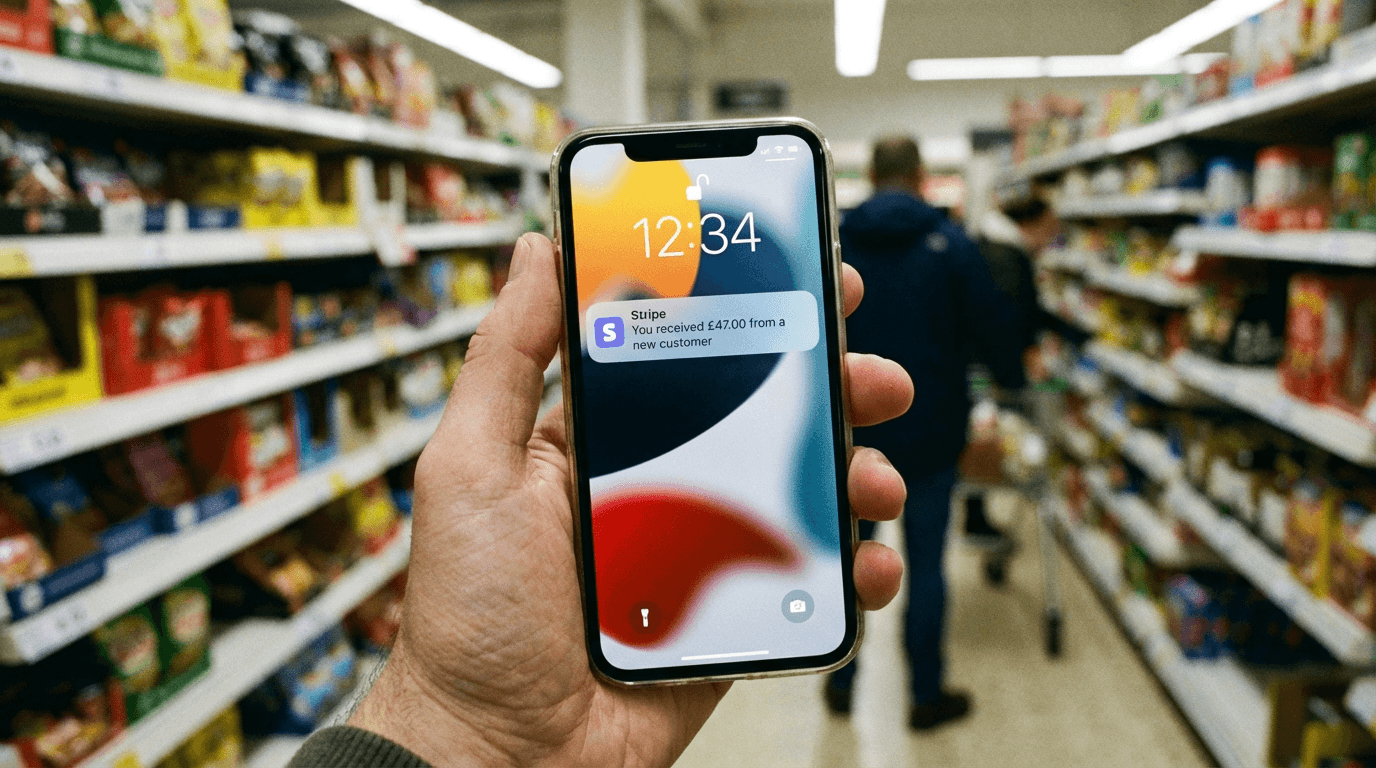
Why I Keep Building Startups With a Full-Time Job (And How I Actually Ship)

"Aren't you tired?"
I get this question a lot. I lead engineering organisations of 200+ people across enterprise programmes during the day, and then I go home and build startups at night. I've founded and exited Purity Network, got HypeClip acquired, shut down SocialSync, and I'm currently shipping Poggle.
So yes, sometimes I'm tired. But I'm never bored. And honestly, the two worlds feed each other in ways most people don't expect.
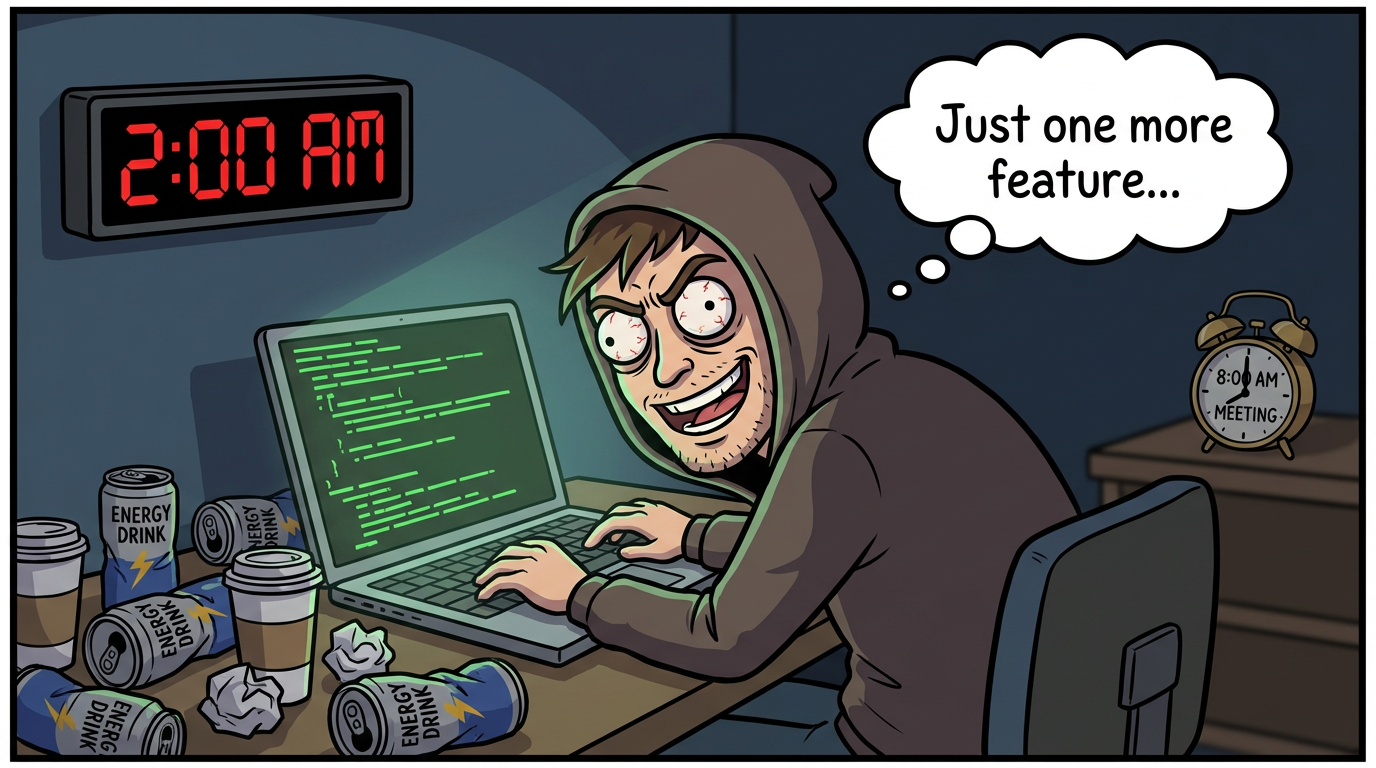
Enterprise Leadership Makes You a Better Indie Hacker
There's a common narrative in the indie hacking world that enterprise experience is somehow a disadvantage. That big company thinking makes you slow, process-heavy, and allergic to shipping.
I'd argue the opposite.
You learn what to skip. After years of watching enterprise projects burn months on architecture decisions that didn't matter, you develop an instinct for what's essential and what's ceremony. When I'm building a side project, I don't set up a monorepo, CI pipeline, and staging environment on day one. I ship a single Next.js app to Vercel and iterate. I've seen the full machinery, so I know exactly which parts I don't need yet.
You understand unit economics instinctively. When you've been accountable for technology budgets across large organisations, you develop a feel for what things cost and where margins come from. That translates directly to indie hacking; I know how to keep infrastructure costs near zero, when to use BYOK patterns, and how to price a product without guessing.
Systems thinking is a superpower. Enterprise work forces you to think in systems: how data flows, where bottlenecks form, what breaks at scale. That same thinking, applied to a one-person SaaS, helps you build things that are simple to operate and cheap to run. You architect for low maintenance, not for impressive diagrams.
My Shipping Playbook
I've iterated on this over years, and it boils down to four rules.
Pick ideas with a built-in audience. I don't build things for hypothetical users. Every product I've shipped targets a community I'm already part of. Developers, content creators, small business owners, people I can reach with a DM or a post. If I can't describe who'll pay for it in one sentence, I don't build it.
Timebox ruthlessly. My rule: if a product doesn't have real users within two weeks of starting, I either pivot or kill it. Not two months. Two weeks. This sounds brutal, but it's saved me from the slow death of projects that technically work but nobody cares about. SocialSync taught me that lesson the hard way; I spent months polishing features for a market that was already saturated.
Lean on AI tooling. This isn't a gimmick; it's a genuine multiplier. I use AI-assisted development heavily: code generation, copywriting, design iteration, even customer research. What used to take a weekend now takes an evening. The tools aren't perfect, but they compress the boring parts so I can focus on the decisions that actually matter: what to build, for whom, and why.
Keep economics impossibly lean. One of the biggest advantages of building solo in 2026 is that infrastructure costs are basically zero if you're smart about it. Vercel's free tier, a Neon database, edge functions, BYOK patterns where users bring their own API keys. My monthly costs for Poggle are less than what I spend on coffee. That means every customer is profitable from day one, and I don't need venture capital to survive.
Lessons From the Wins and the Graveyard
Not everything works. That's the point. Here's the honest breakdown.
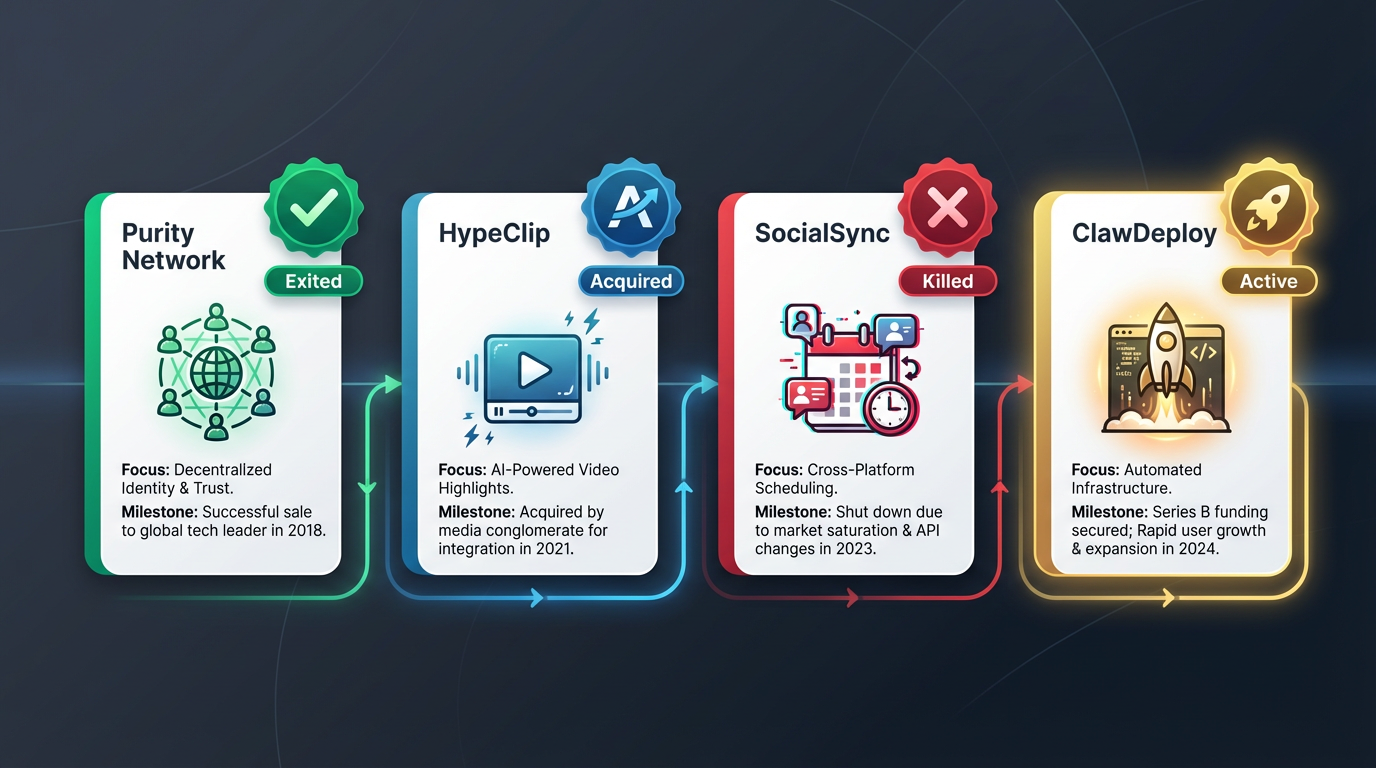
Purity Network was my first real startup. An AI-enabled influencer management platform. I built it, scaled it to 40,000+ creators and global brand partnerships, launched a partner programme that generated £100k in its first 30 days, and eventually exited. It taught me that the hard part isn't building; it's selling, supporting, and knowing when to let go.
HypeClip turned long-form video into viral clips using AI. It got acquired in 2026. The key lesson: solve one problem exceptionally well. We didn't try to be a full video editing suite. We did one thing, find the best clips, and did it better than anything else on the market.
SocialSync was the failure I needed. A social media scheduling tool that I built because I wanted it, without checking whether the market needed yet another one. Spoiler: it didn't. I built too much, validated too late, and eventually pulled the plug. Every product I've built since has started with validation, not code.
Poggle is the current focus. An AI development and productivity tool that improves your engineering team's performance over time. I'm applying every lesson from the previous three: small scope, lean economics, building in public from day one, and charging immediately. The outcome isn't certain, but the process is battle-tested.
Building in Public as Accountability
I document everything on X. The revenue. The failures. The ugly first versions. The days where nothing works and I question why I bother.
This isn't a growth strategy (though it does help with early users). It's an accountability mechanism. When you tell the internet you're building something, you can't quietly abandon it without feeling the weight of that public commitment.
It also creates a feedback loop. Early followers become beta testers. Their complaints become your roadmap. Their tweets become social proof. It's the cheapest, most effective marketing channel I've ever used, and it costs nothing but honesty.
The Real Reason I Keep Building
People assume it's about money. It's not; my day job pays well. People assume it's about ego. Maybe a little.
The real reason is the same thing I wrote about in my post on developer productivity: growth comes from doing. Building products from scratch, shipping them to real users, watching them succeed or fail, that's a feedback loop you can't get from a leadership role alone. Enterprise work teaches you how organisations function. Indie hacking teaches you how value functions. How to find it, create it, and convince someone to pay for it.
That combination, enterprise systems thinking plus indie hacker speed and scrappiness, is the most valuable skill set I've ever developed. And the only way to maintain it is to keep building.
So yes, I'm a bit tired. But I'll ship another one next month anyway.

Nick Morgan
Technology Director by day, indie hacker by night. I write about building products, validating ideas, and shipping fast. Subscribe for indie hacking tips and tricks, delivered monthly.